Follow Equipment Reporters in Google Search
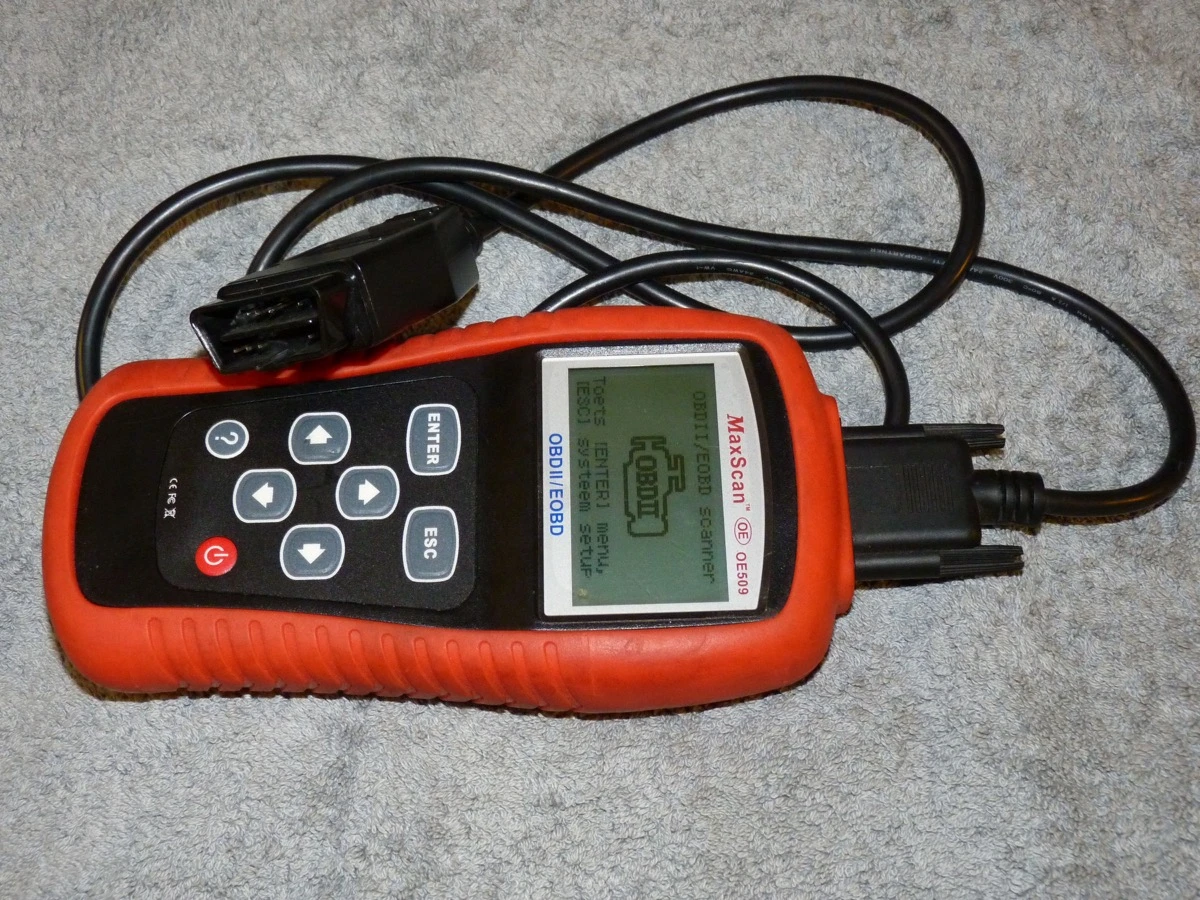
- A full scan for stored and cleared codes
- Measured wear, not a quick walk-around
- Title, VIN and hour or mile checks
- A photo report you can negotiate with
How an Inspection Works
A pre-purchase inspection is a check of a used vehicle or machine by someone who works for the buyer. The goal is simple. Find out what the seller did not tell you before your money is gone.
A good one has four parts. First a computer scan of every module the machine has. Then a hands-on look at the parts that cost the most to fix. Then a test under real use, like a road test or a full work cycle. Last comes a written report with photos, readings and a verdict.

What changes from one inspection to the next is where the money hides. On a pickup it is the engine and transmission. On an excavator it is the undercarriage and hydraulics. On a forklift it is the chains, forks and battery. The checklist follows the cost.
What It Covers on a Car or Pickup
On a car, SUV or light truck, our pre-purchase vehicle inspection covers these areas.
- Scan of every module. Stored codes, pending codes and readiness monitors. Monitors that are not ready can mean codes were cleared just before the sale.
- Cold start and road test. Many problems only show up in the first few seconds after a cold start or under load on the road.
- Engine and transmission. Leaks, oil condition, shift quality and slip. Compression or leak-down testing where the engine allows it.
- Frame and body. Paint depth readings on every panel show repaints and filler. Welds, kinks and rust on the frame show past crashes.
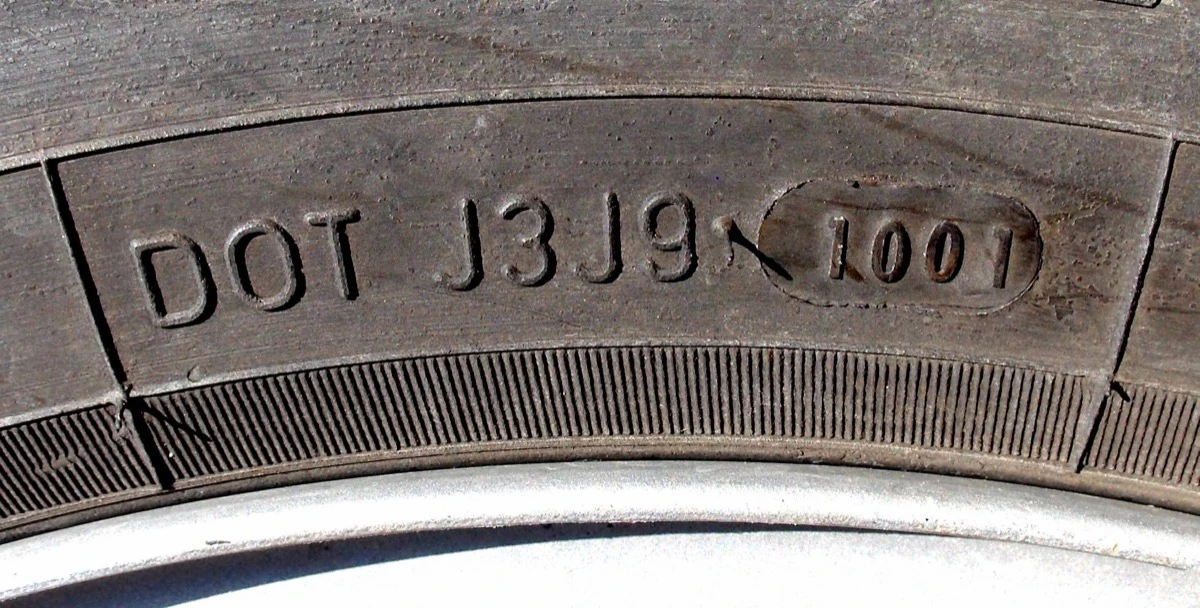
- Brakes, tires and suspension. Pads and rotors are measured. Tire age is read from the DOT date, not guessed from tread.
- Flood signs. A moisture meter on the carpet and padding.
- Paperwork. The VIN on the body, the title and the odometer reading are compared with each other.
Two of those checks catch more than buyers expect. Tires age even when they sit. NHTSA says the last four digits of the tire ID number give the week and year it was made, and that some vehicle and tire makers recommend replacing tires that are six to 10 years old no matter how much tread is left (NHTSA, Tires). Mileage gets faked too. NHTSA estimates that more than 450,000 vehicles are sold each year with false odometer readings (NHTSA, Odometer Fraud).

Some models have known weak spots. Our model guides list them, such as the cam phaser rattle on the Ford F-150 EcoBoost or the lifter problem on the Silverado 1500. The inspector checks those first.
What It Covers on Heavy Equipment
A machine like a loader or excavator hides its wear in places a walk-around will never show. A heavy equipment inspection adds checks that a car never needs.
- Hydraulic pressures and cycle times. A tired pump shows up as slow cycles and a boom that drifts down while holding a load.
- Undercarriage measured. Track, chain, sprockets, rollers and idlers are measured and turned into a percent of life left.
- Pins and bushings. Play at the major joints is the clearest sign of a hard life.
- Final drives and swing. Noise, leaks and play in the parts that are very costly to replace.
- Fluid samples. Engine oil, hydraulic oil and final drive oil sent to a lab. The results show wear metals and coolant you cannot see.
- Hour meter check. The meter is compared with the wear, the engine computer and the service records.
Trucks, RVs, boats and lifts each get their own scope. A commercial truck inspection looks at DOT items and aftertreatment. An RV inspection adds roof, seals, water damage, LP gas and the house systems. A boat inspection covers the hull, drive and engine hours.
What an Inspection Cannot Tell You
A straight inspector will tell you the limits up front.
- It is not a teardown. Nobody opens the engine or transmission on a machine you do not own yet. Oil samples, compression tests and a borescope get close, but they are not the same as looking inside.
- It is not a warranty. A part that works on the day of the inspection can still fail next month.
- It only sees what is there that day. If the seller will not allow a cold start or a load test, the report will say so.
- It is not a full title search. We compare the VIN, title and odometer. Liens and theft records need their own check through the state or a history report.
What the Report Looks Like
You should get more than a pass or fail. A useful report has photos of every problem found, the readings taken, and a short list of what needs money now and what can wait. It ends with a plain verdict. Buy it, buy it for less, or walk away.
That last part is what makes the report pay. A list of real problems with photos gives you a reason to ask for a lower price. It is much harder for a seller to argue with a measured brake rotor or a lab report than with your opinion.
How to Get the Most From It
- Ask the seller not to start it before the inspector arrives. A warm engine hides cold start noises and slow cranking.
- Ask for the service records. Oil changes, repairs and fluid samples on file help confirm the hours or miles.
- Tell the inspector how you will use it. A truck for towing and a truck for commuting need different checks.
- Book it before you send a deposit. The report is worth the most while you can still say no.
The FTC agrees on the basics. Its used car guide says it is always a good idea to pay an independent mechanic to inspect a used car, and that if a dealer will not allow one, you should consider another dealer (FTC, Buying a Used Car From a Dealer, April 2024).
Ready to book one? Pick the equipment type and send the details through its form. No payment is taken until we confirm the schedule.
Where the Facts Live
| What we cited | Where it came from |
|---|---|
| Buying a Used Car From a Dealer, April 2024 | Federal Trade Commission, accessed October 2026 |
| Tires, tire aging questions and answers | NHTSA, accessed October 2026 |
| Odometer Fraud | NHTSA, accessed October 2026 |
FAQ
- Who pays for a pre-purchase inspection?
- The buyer pays. That is the point. The inspector works for the person paying, so the buyer should be the one who hires and pays them.
- Is a pre-purchase inspection the same as a state safety inspection?
- No. A state inspection checks a short list of safety and emissions items so the vehicle can be registered. A pre-purchase inspection looks at the whole vehicle or machine and its value to you.
- Can the inspection be done where the vehicle is?
- Yes. We go to the machine, whether it sits at a dealer, a private seller's home, an auction yard or a job site. The seller only needs to allow access and a test.
- Does a pre-purchase inspection check the title?
- It compares the VIN on the vehicle with the title and checks the odometer or hour reading against the paperwork. Lien and theft searches are separate and are done through your state or a history report.
Buying something used? We work for the buyer, never the seller, and hand you a photo report with a plain verdict.
Pick your equipment type and request an inspection