Follow Equipment Reporters in Google Search
- Hours count time, not how hard it worked
- Divide hours by age to see how it was used
- Measured wear beats the hour meter
- Records and oil samples back up the story
Why Hours Alone Can Fool You
An hour meter tells you how long the engine ran. It does not tell you what the machine was doing. One hour of trenching in soft dirt and one hour of breaking rock show up the same on the meter. They are not the same on the machine.
Two excavators with the same hours can be in very different shape. One was greased every day and had its oil changed on time. The other ran on rock with no care. The second one may need a pump, tracks and final drives. The first may have years of work left.
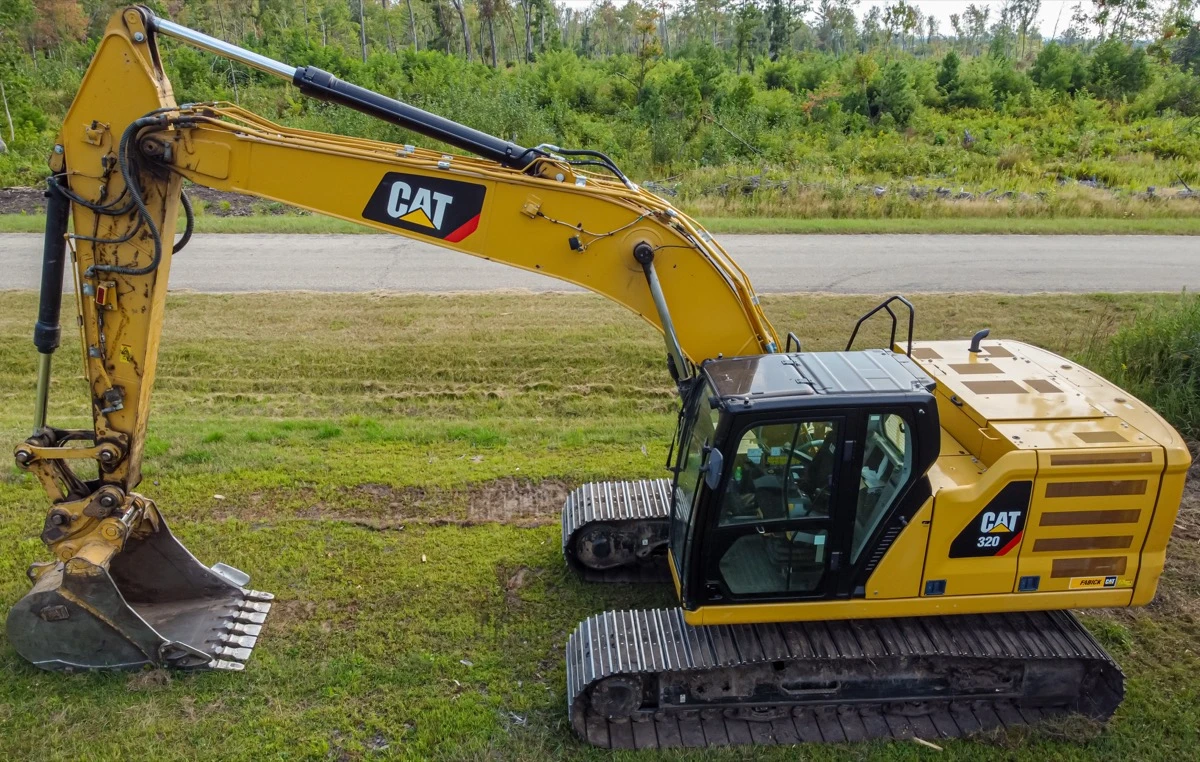
That is why our Cat 320 guide says it plainly. Hours mean little next to measured wear.

A Quick Way to Read the Hours
You can run a simple check before you even see the machine. Divide the hours by the age of the machine in years. That gives you rough hours per year.
- Very low hours per year can mean light use. It can also mean the machine sat for long stretches, which brings its own problems like dry seals and old fluids. Or the meter was replaced or broken.
- Very high hours per year usually means full time production work, often in a fleet. Expect real wear and look hard at the undercarriage and hydraulics.
Neither result means yes or no. It tells you what questions to ask.
Can the Hour Meter Be Wrong?
Yes. Meters fail and get replaced. Some get swapped on purpose. A machine with a replaced meter may show far fewer hours than it really has.
Most modern excavators store engine hours in the engine computer too. A diagnostic tool can read them. We compare the dash meter with the computer, the service records and the wear we can see. When they agree, you can trust the number more. When they do not, you know to dig deeper.
Worn pedals, a worn seat, shiny controls and loose pins on a machine with low hours are all signs that the number does not match the life.
What Actually Tells You the Life Left
Instead of asking how many hours is too many, ask what is worn and what it will cost. These are the parts that decide it.
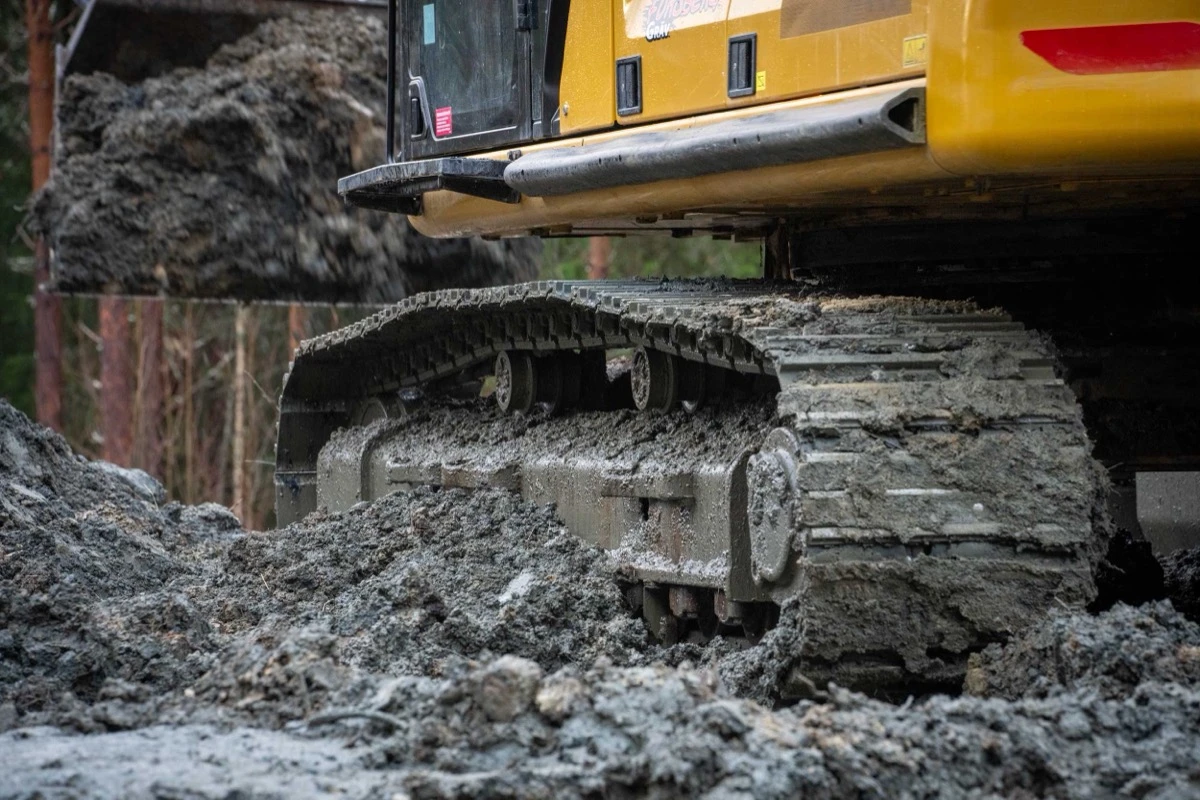
- Undercarriage. Tracks, chains, sprockets, rollers and idlers are often the biggest wear cost on the machine. We measure them and give a percent of life left.
- Hydraulic pump and valves. We time each function and hold a load to check for drift. Slow cycles and drift point to a tired pump or worn cylinders.
- Final drives and travel motors. Listen while tracking, look for case leaks, and sample the oil.
- Swing bearing and boom. Play in the swing and cracks or welds at the boom and stick pivots show hard use or past repairs.
- Pins and bushings. Slop at the joints shows how well the machine was greased.
- Engine. Blowby, starting, smoke and an oil sample show the inside of the engine without taking it apart.
Start with the undercarriage, because that is where the money is. A Michigan CAT product support manager told Construction Equipment that about 50 percent of the maintenance cost of a track machine is in the undercarriage (Construction Equipment, September 28, 2010). On a mini excavator, Construction Equipment Guide put it at almost 20 percent of the purchase price and nearly 50 percent of the maintenance cost (Construction Equipment Guide, February 12, 2013). Utility Contractor said in 2023 that it is often more than 50 percent of lifetime maintenance costs (Utility Contractor, August 15, 2023).

Why Oil Samples Matter So Much
An oil sample is the closest thing to seeing inside a part without opening it. A lab reads the wear metals, dirt and coolant in the oil. High metal in the final drive oil or coolant in the engine oil tells you about a problem before it shows on the outside.
We pull samples from the engine, hydraulics and final drives on a heavy equipment inspection. If the seller has older sample reports, ask for them. A history of clean samples is strong proof of good care.
Mini Excavators Are Their Own Case
Compact machines like the Bobcat E35, Kubota KX057 and Cat 308 are rented often. That means many operators and hard hours. Rubber tracks can crack and lose lugs. The house swivel and swing bearing wear and leak. Look closely at those, and watch for hours that do not match the wear.
On full size machines like the Komatsu PC200, Deere 350G or Cat 336, the same rule holds. Measure the undercarriage, test the hydraulics and sample the fluids.
Questions to Ask the Seller
- What kind of work did it do, and on what ground?
- Has the hour meter or engine computer ever been replaced?
- Do you have service records or oil sample reports?
- When were the tracks, rollers or pump last replaced?
- Was it ever used in a rental fleet?
Good answers plus good measurements make a high hour machine a fair buy. Poor answers on a low hour machine are a reason to slow down. If you want the measurements done for you, request a heavy equipment inspection.
Where the Facts Live
| What we cited | Where it came from |
|---|---|
| Undercarriage Maintenance Is Critical, September 28, 2010 | Construction Equipment, accessed October 2026 |
| Tips for Tracking Undercarriage Wear on Mini Excavators, February 12, 2013 | Construction Equipment Guide, accessed October 2026 |
| Getting the Most from Your Tracked Machines, August 15, 2023 | Utility Contractor, accessed October 2026 |
FAQ
- Is a high hour excavator always a bad buy?
- No. A high hour machine with good records, clean oil samples and a measured undercarriage with life left can be a better buy than a low hour machine with no history.
- How can I tell if an excavator's hour meter was replaced?
- Compare the dash meter with the hours stored in the engine computer, the service records and the wear on pedals, seat, pins and tracks. If they do not agree, the meter may have been changed.
- What costs the most on a used excavator?
- The undercarriage is usually the largest wear cost. The hydraulic pump, final drives and swing bearing follow. Those are the parts to measure before you buy.
- Do hours mean the same thing on a mini excavator?
- The same idea applies, but mini excavators are often rented and run by many operators. Check rubber tracks, the house swivel and the swing bearing closely.
Buying something used? We work for the buyer, never the seller, and hand you a photo report with a plain verdict.
Pick your equipment type and request an inspection